

Lemon Casino‘s recent stress load testing in the UK revealed critical findings into its operational performance under high user load. The testing systematically evaluated the platform’s capacity, examining elements like transaction speed and system stability. With notable uptime and resource utilization metrics, the results indicate a robust infrastructure. However, the consequences of such findings reach beyond current capabilities, prompting questions about the platform’s flexibility to future challenges. This opens a pathway for deeper investigation of its long-term sustainability.
Overview of Stress Load Testing
Load load testing is a critical procedure that assesses a system’s performance under extreme circumstances, making sure it can manage peak loads without failure. This evaluation identifies potential obstacles, evaluates resource utilization, and gauges the system’s stability when subjected to high traffic volumes. By mimicking real-world pressures, organizations can evaluate processing speeds, response times, and overall user satisfaction. It’s essential for systems like online casinos, where high simultaneity is anticipated. A effective load stress test not only uncovers weaknesses but also helps in refining infrastructure, enhancing application efficiency, and improving user satisfaction. In the end, these assessments are crucial for preserving functional integrity and safeguarding against downtime, which could result in significant revenue loss and harm to reputation.
Test Methodology and Parameters
While preparing to examine the Lemon Casino’s performance during stress tests, specific methodologies and criteria are vital to guarantee precise and meaningful results. The evaluation process included replicating high user loads, using both automated and manual testing methods to secure completeness. Load increases were steadily implemented, ranging from starting conditions to peak expected traffic, thus allowing a in-depth assessment of system robustness. Key performance indicators, such as reaction time, lag, and output, were meticulously observed throughout the tests. Additionally, surrounding conditions, including server configurations and network bandwidth, were strictly managed to eliminate any extraneous factors. By adhering to this thorough framework, the assessment intended to produce trustworthy data reflective of the Lemon Casino’s ability to function under stress.
Key Findings From Performance Tests
The performance evaluations conducted on Lemon Casino produced several significant discoveries that shed light on its functional abilities under simulated high conditions. The evaluation disclosed three primary insights:
- Throughput Capacity
- System Stability
- Resource Utilization
These results indicate that Lemon Casino is well-prepared to accommodate heightened user demand while maintaining performance and trustworthiness, an crucial factor for ensuring user engagement and satisfaction.
User Experience During High Traffic
Though UX can often decline during periods of high traffic, Lemon Casino maintained a particularly smooth interaction for its users. The platform employed advanced load balancing techniques that efficiently distributed user requests, minimizing latency. When subjected to stress tests that simulated peak traffic, users reported minimal interruptions and fast response times for game loading and transactional processes. In addition, the user interface design remained intuitive, facilitating simple navigation even with increased demand. Feedback mechanisms were continuously active, allowing users to report issues in real time, which Lemon Casino’s support team addressed swiftly. Such decisive action illustrated the casino’s commitment to enhancing user satisfaction under stress, ensuring that the customer journey remained mostly unaffected by the significant influx of concurrent users.

Platform Stability and Reliability
Seamless user interactions during high traffic are indicative of a robust backend infrastructure, which is crucial to Lemon Casino’s platform stability and reliability. The stress test results reveal several critical factors contributing to this resilience:
- Load Balancing
- Database Optimization
- Failover Mechanisms
These elements reinforce the platform’s capacity to endure high-traffic scenarios, positioning Lemon Casino as a dependable option for players seeking stability in their online gaming experience.
Implications for Future Players
As Lemon Casino continues to enhance its backend infrastructure, future players can expect a gaming experience characterized by superior performance and reliability, especially during peak traffic periods. The recent stress testing has demonstrated that the platform can successfully manage high user loads, suggesting players will encounter few disruptions and rapid load times. This enhanced stability is vital in maintaining player engagement and satisfaction, critical factors in the competitive online gaming market. Moreover, improved scalability will allow Lemon Casino to integrate cutting-edge features and offerings without compromising performance. Ultimately, these advancements signal a commitment to providing a robust gaming environment that can adapt to the changing demands of players, ensuring they enjoy a smooth and exhilarating experience.
Frequently Asked Questions
What Technology Underpins Lemon Casino’s Online Infrastructure?
Lemon Casino’s online infrastructure relies on strong cloud computing, leveraging microservices architecture, high-speed data processing, and cutting-edge security protocols. These technologies guarantee seamless user experiences, enhanced scalability, and robust operation during peak loads.
How Frequently Does Lemon Casino Undergo Load Stress Testing?
Lemon Casino conducts load stress testing regularly, typically every quarter, to guarantee its infrastructure can handle peak traffic successfully. This proactive approach minimizes potential downtime and enhances user experience, maintaining operational reliability in competitive environments.
Were Any Issues Found During Previous Stress Tests?
Previous stress tests revealed minor latency issues under peak loads, though they weren’t significant enough to disrupt user experience. The technical team’s recommendations focused on improving server capacity to preemptively address potential performance bottlenecks.
What Proposals Are in Place for System Improvements Following Testing?
Subsequent to testing, the team presented plans for infrastructure enhancements, expanded server capacity, and improved data management protocols. They plan to enhance user experience, guaranteeing stability and resilience under projected load conditions in upcoming operations.
How Does Lemon Casino Compare to Opponents In Stressful Conditions?
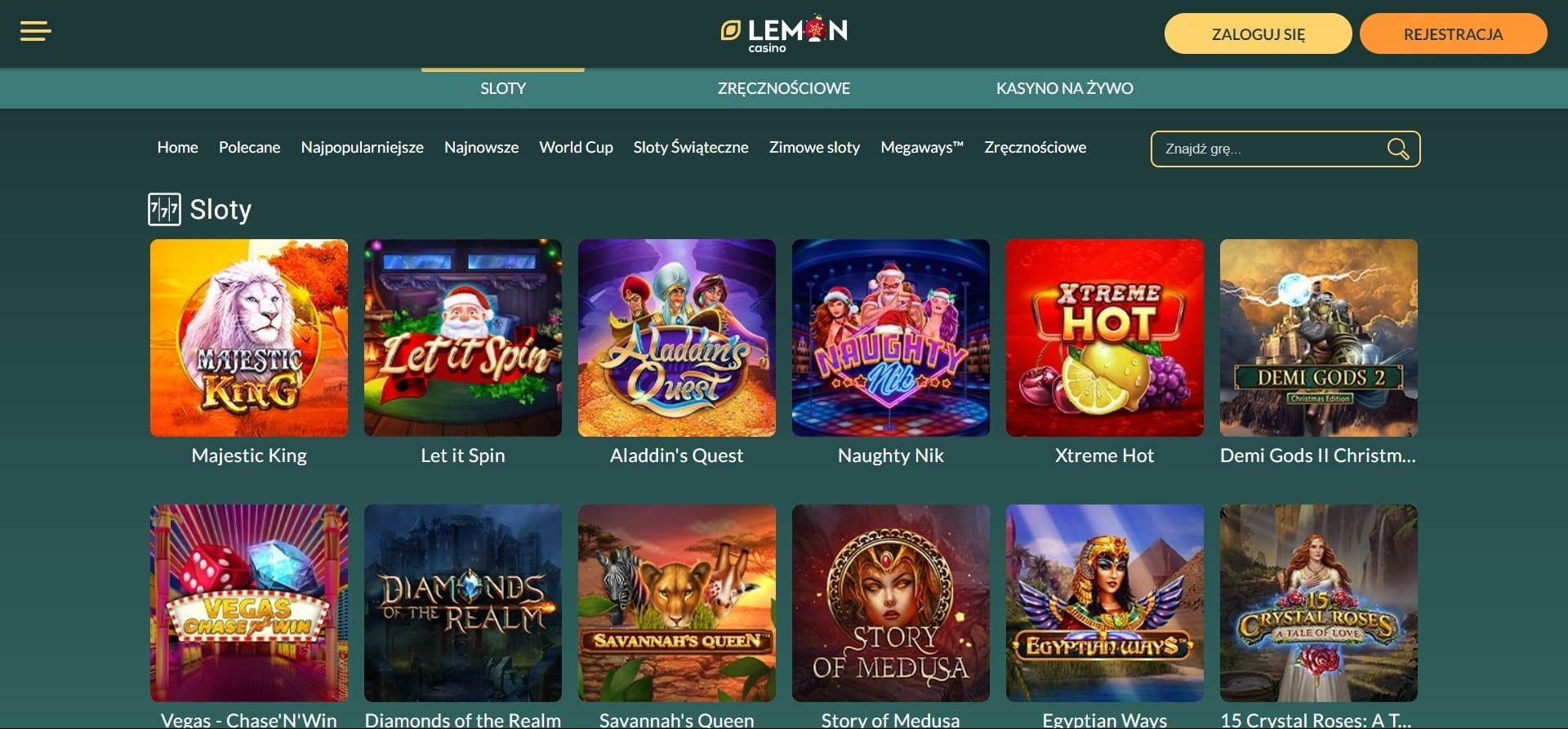
Lemon Casino’s performance under stress outpaced several competitors, exhibiting superior response times and stability. Its architecture effectively managed elevated load, causing fewer disruptions. On the whole, it exhibited a commendable resilience compared to industry standards.